

No Results Found
The page you requested could not be found. Try refining your search, or use the navigation above to locate the post.

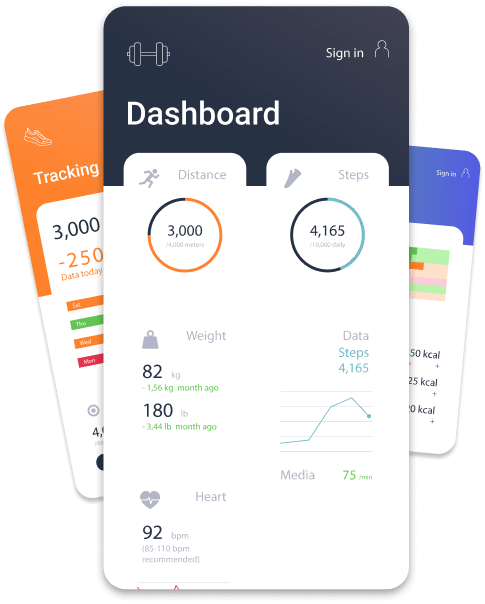
We usually start from one of the major aspects of a mobile application development that is, the proper curation of a problem statement, which tends to be former and the latter turns out to be the goal alignment based on the former
As the problem statement and goal alignment gets completed, this stage is all about understanding what we think the user wants and what the user actually wants. Then, A digital low fidelity wireframe fills all the gap. Additionally various UML diagrams are involved as well.
UX analysis and UI design is an iterative process and one follows the other. UI design includes the low fidelity prototyping and then, as the approval gets in tact, low fidelity is turned into a high fidelity prototype to give an appropriate look and feel of the application.

Now its time to process the best looking visuals to technical implementation where the apt cutting edge technologies are carefully selected to start building the application architecture and then, fit all the code as per the architecture. MVP categorization then fills all the remaining gaps.
Quality assurance is something that makes an error-free user experience alongside maintaining a top-level performance. With accompanied testing, all the factors that may degrade the performance are then sorted out before staging the application version into staging environment
After a proper testing along with keeping all the parameters in tact the deployment process begins making sure that the end goal is reached in hands of the end-user. Wait, This just don’t ends like this. After the deployment of version a retrospection process takes place in order to implant left-over features in next patch models.